
You don’t need years to write a novel; you just need 30 days.
Although the challenge of writing a novel in 30 days can be taken up at any moment, most people choose to do so during the month of November. After all, that’s when National Novel Writing Month– or NaNoWriMo– takes place.
 Every year during the month of November, tens of thousands of people take up the challenge of writing a 50,000 word novel in just 30 days. It’s the perfect opportunity for would-be novelists to nurture their creative selves. In this post you’ll discover how to write a novel in 30 days. Some of the things you’ll need to keep in mind while writing your novel are the following:
- Genre
- Setting
- Characters
- Conflict
- Theme
- Plot
- Scenes
- Point of View
Each of these is explained below.
Decide On a Genre For Your Novel
Literary genre is a term used to group together works that share similar characters, settings, and themes. The basic genres are the following:
- Action-Adventure: An example of an action-adventure novel is “The Ninth Orphan”, the first book in “The Orphan Trilogy”. The book tells the story of Sebastian, the ninth of twenty-three children who were raised to become elite members of a spy agency.
- Mystery: Detective stories such as those written by Agatha Christie, Sir Arthur Conan Doyle, and Raymond Chandler are great examples of mysteries.
- Fantasy: The best examples of the fantasy genre are “The Chronicles of Narnia”, “A Song of Fire and Ice”, and “The Lord of the Rings”.
- Horror: Stephen King’s novels–such as “The Shining” and “Cujo”–are fantastic examples of the horror literary genre.
- Historical Fiction: Philippa Gregory’s novels are good examples of historical fiction. Most of her novels are set in the Tudor period, including her best known work: “The Other Boleyn Girl”.
- Literary Fiction: This genre includes novels of recognized literary merit, such as “The Name of the Rose” by Umberto Eco and “The Great Gatsby” by F. Scott Fitzgerald.
- Romance: Examples of the romance genre include “Pride and Prejudice” by Jane Austen, the “Twilight Series”, and books by Nicholas Sparks, such as “The Notebook”.
- Science-Fiction: Two great examples of the science fiction genre are “The Hitchhikers Guide to the Galaxy” by Douglas Adams and “Foundation” by Isaac Asimov.
- Legal Thriller: John Grisham–the author of bestsellers such as “The Firm” and “The Pelican Brief”–is the king of the legal thriller.
- Crime Fiction: An example of the crime fiction genre is “The Girl With the Dragon Tattoo,” and the other two books of the “Millennium Trilogy” by Swedish author Stieg Larsson.
The best advice in choosing a genre is to write the type of novel that you like to read. Then, read everything that you can in that genre in order to become familiar with its rules.
Summary of the Major Elements of the Novel
Here’s a brief summary of the major elements of the novel:
- Theme is the “why.” It’s the author’s message and one of the reasons why the author wrote the story or novel.
- Setting is the “where” and ‘when” of the story or novel.
- Characters are the “who.”
- Conflict is the “what.” That is, what is the problem?
- Plot is the “how.” The plot develops and then eventually resolves the conflict.
Theme
The theme is the central message of the novel which is conveyed through the characters and circumstances; it’s the statement you want to make about the human condition. In addition, it’s the unifying element for everything you put in your plot. Here’s an example:
- The theme of Shakespeare’s “Othello” is betrayal. The setting for “Othello” is a coastal city on the island of Cyprus in the late 1400s. Othello is a Venetian who is acting as Governor of Cyprus. He wrongly believes that his wife, Desdemona, is unfaithful to him. Overcome with rage and jealousy, he strangles her. After her death Othello learns that he was deceived into believing that Desdemona was unfaithful by a man whom he trusted, and he kills himself in grief.
Setting: When and Where
 Setting is the background in which the story takes place. Basically, it’s the when and where, but it can also include lifestyle:
(a) Place: This is the geographical location of the story; it’s the physical environment. Throughout the novel, the story may move from one place to another. Consider creating a map that shows where all the action will take place. This will help you gauge distances and figure the length of time necessary to move your characters from one place to another.
(b) Time: First, this refers to the period of history. Your story could be set in the past, it could be a contemporary novel, or it could even be set in the future. You have to decide at what point in time the story opens and when it will end. When describing the setting you may want to specify the season, month, and even the time of day. Make a timeline for the events of the novel.
(c) Lifestyle: This refers to the daily life of the characters. If a story takes place in a particular historical period, the lifestyle of the characters–for example, New York’s high society during the Gilded Age–is part of the setting.
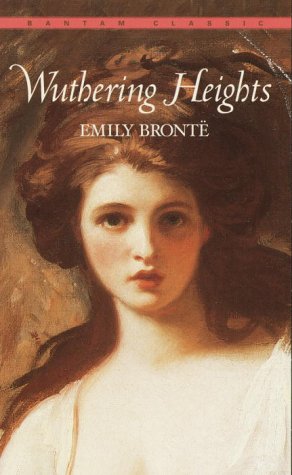
As an example of setting, “Wuthering Heights”–Emily Brontë’s only novel–takes place in the late 1700′s and early 1800′s. All the action is set in or around two neighboring houses on the harsh and desolate Yorkshire Moors of Northern England: Wuthering Heights and Thrushcross Grange.
These two manor houses are just four miles apart, but they could not be more different in terms of the conditions that exist in each house and the people who inhabit them. Emily Brontë grew up in the Yorkshire Moors, and so her depiction of it is very accurate. The setting can help create the mood of your novel.
Creating Character Profiles
You’re going to need the following characters:
- The Protagonist: This is the hero of your story; that is, the character who plays the starring role.
- The Antagonist: This is the character who is standing in the way of your protagonist achieving his or her goal.
- Supporting Characters: These are the characters who play a secondary role in the story.
Some authors prefer to come up with the basics of their characters and then simply allow their characters to reveal themselves as the story moves along. However, many experienced writers recommend that would-be authors create character profiles, at least of their main characters. This helps in bringing the characters to life, and in providing continuity throughout the story.
Some of the things you may want to jot down about your characters are the following:
- Age
- Appearance
- Occupation
- Income
- Education
- Marital status
- Recent relationships
- Children/siblings
- Likes and dislikes
- Favorite music
- Hobbies
- Strengths and weaknesses
- Special characteristics (movement, speech, laugh, and so on)
- Favorite sayings
- Idiosyncrasies
- Birth date/ Sign of the Zodiac
- Nickname
A good rule of thumb is that the protagonist will confront the thing he fears the most, and overcome it, in order to win the thing he desires the most.
Use Archetypes as Blueprints for Your Characters
Victoria Schmidt argues in her book “45 Master Characters” that archetypes are blueprints for building well-defined characters, be they heroes, villains, or supporting characters. As Schmidt explains: “Each archetype has her own set of motivations, fears and cares that move her as well as the plot forward.” Archetypes are the foundation your characters will stand on.
The Greek gods and goddesses represent the basic archetypes. Each god or goddess has both a positive and a negative aspect.
Creating Female Heroes and Villains:
- Aphrodite – The Seductive Muse and The Femme Fatale
- Artemis – The Amazon and The Gorgon
- Athena – The Father’s Daughter and the Backstabber
- Demeter – The Nurturer and The Over-controlling Mother
- Hera – The Matriarch and the Scorned Woman
- Hestia – The Mystic and the Betrayer
- Isis – The Female Messiah and the Destroyer
- Persephone – The Maiden and the Troubled Teen
Creating Male Heroes and Villains:
- Apollo – The Businessman and the Traitor
- Ares – The Protector and the Gladiator
- Hades – The Recluse and the Warlock
- Hermes – The Fool and the Derelict
- Dionysus – The Woman’s Man and the Seducer
- Osiris – The Male Messiah and the Punisher
- Poseidon – The Artist and the Abuser
- Zeus – The King and the Dictator
Beware that stereotypes aren’t the same thing as archetypes. Stereotypes are oversimplified generalizations which will limit your character.
Six More Things You Can Do
Six more things you can do when it comes to creating your characters are the following:
- Write what a typical day looks like for your character.
- Create your character’s back-story; even if you never include a word of the back-story in your novel, if you know your character’s past you’ll be able to make him or her more convincing to the reader.
- Create a profile for each of your characters similar to those of popular social networks such as Twitter or Facebook.
- Draw a family tree for the character.
- Make a sketch of your character so that you can get a better idea of what they look like.
- Research your character’s job or career if it’s different from your own.
Character Profile Worksheets
Here are some links where you’ll find worksheets to help you create character profiles:
- How to Create a Character Profile
- Character Creation Form
- Developing Fictional Character Profiles
- Character Development Worksheet
- 100 Character Development Questions for Writers
The Plot: The Story and Why It’s Interesting
The plot is what happens in the novel and why it’s interesting. E.M. Forster explains the difference between story and plot in “Aspects of the Novel”
- “The king died and then the queen died” is a story.
- “The king died and then the queen died of a broken heart” is a plot.
Most plots are made up of the Classic Three Act Structure:
Act I. In the first act we meet the characters, are given the setting, and discover what the main problem of the story is. This is the preparation act for the reader (this is where you set things up).
Act II. The second act presents the complication. The problem that we set up in the first act becomes more dangerous and difficult. The hero’s attempts to solve the problem come crashing down and our hero is lying on his or her back with no apparent means of escape.
Act III. The third act presents the resolution of the problem. In act three you wrap up the story and tie up loose ends.
Example: The Choking Doberman
 Martha walked up the flight of stairs to her second floor apartment and wearily opened the door. As soon as she made her way into the apartment she was greeted by the sight of her pet Doberman pinscher choking and unable to breathe.
Filled with fear and anxiety, Martha rushed him to the vet and was told to leave him there for emergency surgery. Feeling a bit calmer knowing that her beloved pet was being looked after, she returned to her apartment.
No sooner had Martha set her purse down on the small table near the door, when the phone rang. She picked it up and was surprised to hear the vet’s voice urging her to get out of her apartment right away.
Martha quickly grabbed her purse, ran out of her apartment, and knocked urgently on her neighbor’s door. Fortunately, Marge was home and she let Martha in. Martha told Marge of how she had come home earlier to find her dog choking, and of the bizarre phone call she had just received from the vet.
A few minutes later the two women heard the sound of sirens nearing the apartment building. Four police cars screeched to a stop outside the building and several cops made their way up the stairs and into Martha’s apartment.
After waiting for what she considered to be a prudent amount of time, Martha ventured out of her neighbor’s apartment to see what was happening. She was told by one of the cops that –after a quick search of her apartment–they had discovered a burglar hiding in the bedroom closet bleeding profusely from one hand.
Analysis of “The Choking Doberman”
As Ronald Tobias explains in his book 20 Master Plots: And How to Build Them, “The Choking Doberman”–which is an urban myth that has been retold countless times with endless variations–is completely plot driven. The characters take a backseat. In addition, it has three movements:
- The story is set up when the woman comes home and finds her pet Doberman choking. She takes the dog to the vet.
- The second movement starts when the woman returns from the vet and her phone rings. A startling complication is introduced when the agitated vet urges her to get out of the house. The woman flees the house and the unknown danger.
- The third movement begins with the arrival of the police, with the climax (the point of highest interest in the story) occurring when they tell her that they found a burglar hiding in her bedroom closet who had a finger bitten off by her Doberman. By the end of the story the mystery is solved.
Some Ideas to Save Your Plot
If your plot runs out of steam on day ten of NaNoWriMo, here are some things you can do:
- Kill a main character.
- Hit shuffle on your iPod and the first song that comes up is the title of your next chapter.
- Your main character finds an old letter in a library book.
- Include an element of betrayal: someone is having an affair or has lied about their past.
- Flip through magazines or art books. Look through the newspaper. Cut out three items which you feel have potential to inspire an interesting scene.
- Go people watching: sit at an outdoor café; go to the mall; ride the subway or the bus. Collect five snatches of conversation.
- Write a list of words that are common to your genre and combine them in interesting ways to come up with titles for your chapters (dragon, castle, moat, knight). Once you have a title, create a plot twist based on that title.
- Think of your family’s stories which you’ve heard your relatives retelling over and over again.
- Think of an important, far-off goal your character is striving to reach and write about your character’s quest to achieve this objective.
- Your character loses someone or something that is very dear to them.
- Your character’s business is in trouble. Brainstorm ten possible ways to solve the problem. Choose the most unexpected approach to write about.
- Steal from the best. Think of a novel you love, take elements from the plot, and make them your own.
- Use social media for ideas (delicious, Stumbleupon, Twitter).
- Visit One Sentence or PostSecret and get inspired.
Conflict: The Struggle
“Conflict is the source of all growth and is an absolute necessity if one is to be alive.” — Jean Miller
Conflict is the struggle between opposing forces in the story. Conflict provides interest and suspense. There are various types of conflict, which can usually be categorized as one of the following:
- A character struggling against nature.
- A struggle between two or more characters (relational conflict): Here it’s usually the protagonist and the antagonist competing or clashing with each other.
- A struggle between the main character and some aspect of society (social conflict): This is a human v. group conflict; the protagonist has a problem with a group of people.
- A struggle of opposing forces within one character; for example, the protagonist is struggling with fear (inner conflict).
Scene: Miniature Stories
Jordan Rosenfeld writes the following in his book Make a Scene: Crafting a Powerful Story One Scene at a Time:
“Scenes are capsules in which compelling characters undertake significant actions in a vivid and memorable way that allows the events to feel as though they’re happening in real time. When strung together, individual scenes add up to build plots and storylines.”
A scene is a specific chunk of the story, one that is its own closed loop. When is a scene a scene? When something changes. What defines the completion of a scene? The moment of change. Every good scene has a purpose and it leads to the next good scene.
Point of View
Point of view is the perspective from which a story is told. It’s the “camera angle” through which the action will be filtered. Choose the point of view that will most effectively allow you to reveal your characters and tell your story. The points of view you can adopt are basically the following:
First Person
Everything in the first person point of view (POV) comes from one character’s perspective. We can only know what that character knows, and our knowledge may be skewed by that character’s biases.
For example, Kathy Reichs writes crime novels in which the protagonist is forensic anthropologist Dr. Temperance Brennan (her books are the inspiration for the TV series “Bones”). Reichs writes in the first person, from Dr. Brennan’s point of view. Here’s how “Bones of the Lost” begins:
 “Heart pounding, I crawled toward the brick angling down to form the edge of the recess. Craned out.
More footfalls. Then heavy boots appeared at the top of the stairs, beside them a pair of small feet, one bare, the other in a platform pump.
The feet started to descend, the small ones wobbly, their owner somehow impaired. The lower legs angled oddly, suggesting the knees bore little weight.
Anger burned hot in my chest. The woman was drugged. The bastard was dragging her.”
In addition, here are three classics that are written in the first-person point of view:
- Charlotte Brontë made Jane the narrator of the novel, “Jane Eyre”.
- In “Great Expectations” by Charles Dickens, Pip looks back at his life and tells the story based on what he remembers.
- “David Copperfield”, also by Charles Dickens, has David Copperfield as the narrator.
Third Person
This is the most commonly used point of view. When you’re writing in the third person you use pronouns such as “he” or “she”. The third person gives you the following choices:
- Omniscient, where we can hear the thoughts and see the action from any character’s perspective;
- Objective, where only narration, dialogue and description is used to tell the story and we aren’t allowed into any of the character’s thoughts; and
- Limited omniscient, where we see the story from one or a few characters’ viewpoints and we can only hear the thoughts of those characters.
Second Person
The second person point of view–the “you” form–is uncommon. Most novels are written in either in the first or the third person, so using the second person may confuse your readers. But if it suits your novel, go for it.
More NaNoWrimo Tips
Here are some more NaNoWriMo tips:
- Don’t worry about the quality of your writing, just focus on getting to that 50,000 word target.
- Get into a routine and begin writing at the same time each day.
- Make sure that you write every day.
- Try not to edit as you go, or at least keep it to a minimum. Ask your Inner Editor to stand aside during the thirty days it takes you to write your novel. They’ll have an important role to play after the novel is written.
- Outline your novel so that you have a clear idea of how your plot and characters are going to develop before you start writing.
- Make time to write: carve out an hour-a-day to write.
- Keep your supplies collected: coffee mug, dictionary, thesaurus, notebook, pens, pencils, index cards, and so on. You could easily lose precious time gathering your supplies each time you’re going to start writing.
- Explain to your friends and loved ones that you’re going to be less available than usual for the month of November and ask for their support.
- Stop writing while you still have something to say so that you can pick up on that train of thought the next day.
- Create a strategy for overcoming procrastination.
Conclusion
Go ahead and take a creative challenge: write a novel in 30 days. I’m participating in NaNoWrimo in 2015, I’m using the one-hour-a-day formula to do so.



Related Posts:
1. 42 Writing Tips From J.A. Konrath
2. 24 More Fabulous Tips For Writers, From Writers
3. A Plethora of Writing Prompts for Creative Writing and Journaling
4. Ray Bradbury’s Best Writing Advice
5. 57 Tips For Writers, From Writers
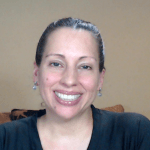 Marelisa Fabrega is a lawyer and entrepreneur. She holds a Bachelor of Science in Business Administration from Georgetown University in Washington, D.C., as well as a Juris Doctor from the Georgetown University Law Center. You can learn more about her


Comments on this entry are closed.
Wow…this needs to be required reading for NaNoWriMo! Excellent!
I’m very glad you found it useful, LuAnn! 🙂